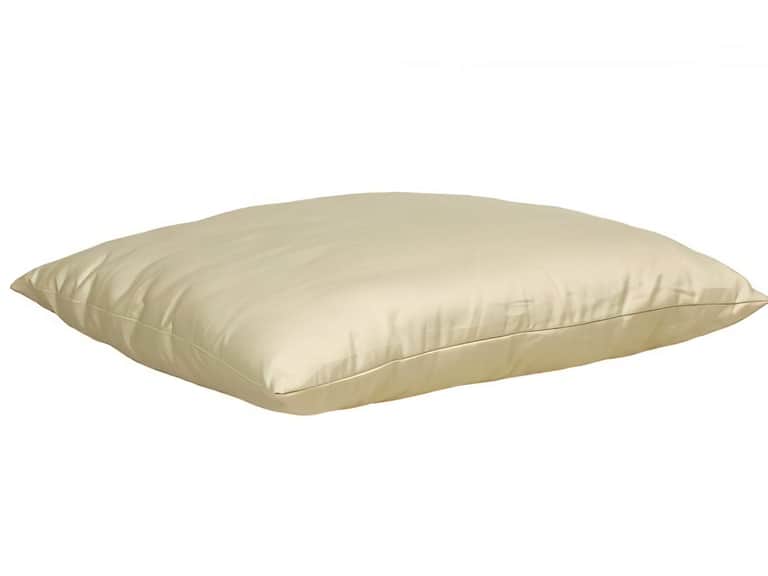
Wool as a natural fiber offers durability, breathability, and temperature regulation, making it a practical choice for bedding materials. Its moisture-wicking properties help maintain a comfortable sleep environment by absorbing and releasing humidity efficiently. Understanding wool's structure can clarify why bedding like pillows and sheets feel cooler in warm conditions and warmer when it's cold.
In the context of bedding quality, wool fibers contribute to hypoallergenic performance and odor resistance due to their self-cleaning properties and natural lanolin. This makes wool-based products suitable for sensitive sleepers who prioritize a clean, toxin-minimized sleep surface. Proper care routines help preserve wool’s shape and insulating characteristics over time.
Within the Sleep and Beyond line, the myWool Pillow demonstrates how wool blends support ergonomic alignment and pressure distribution. The pillow’s breathability promotes air exchange, reducing overheating while offering support that adapts to sleeping positions. Such design details illustrate how wool enhances comfort without sacrificing firmness or loft.
Wool sheets and duvet covers leverage the fiber’s warmth-to-cool balance, providing a breathable barrier that regulates microclimates around the body. When selecting wool bedding, consider fiber length, knit or weave structure, and weight to tailor warmth levels to seasonal changes and individual sleep preferences for improved rest quality.
Beyond comfort, wool bedding integrates with organic mattress considerations and overall sleep aesthetics. The enduring properties of wool contribute to long-term durability, while compatible pillow models like the Sleep and Beyond myWool Pillow highlight functional benefits such as resilience, moisture management, and natural temperature regulation across the bedding ensemble.
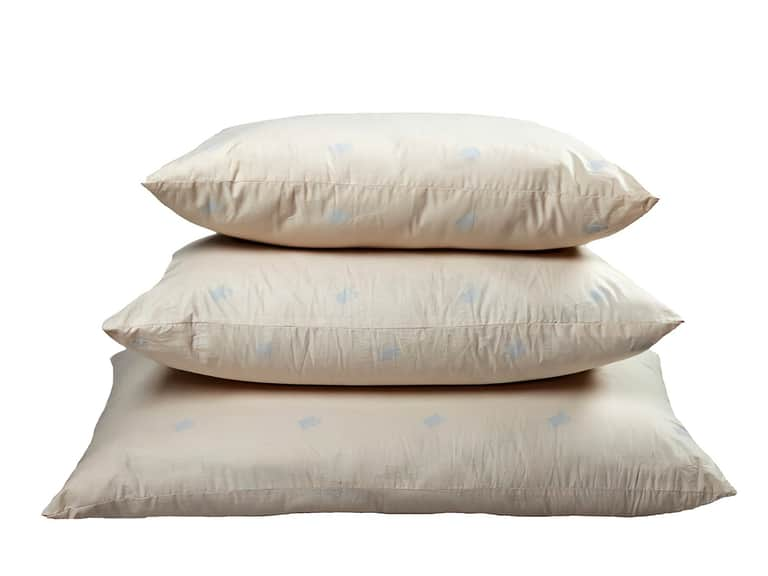 Bedding