Understanding Mattress Certifications: What Labels Like GOTS, OEKO-TEX, and CertiPUR Really Mean for Sleep Health
Certifications guide consumers through a crowded bedding market, helping you gauge safety, sustainability, and performance. This Vogue-flavored guide dives into the most influential labels, how they’re developed, and what they truly signal about the products you share your bed with. From organic textiles to chemical safety and foam emissions, we unpack the jargon so you can sleep with luxury and confidence.
In an era when a good night’s sleep is a vital lifestyle accessory, labels matter. They aren’t just marketing mouthfuls; they represent third-party standards that shape how materials are grown, processed, and tested. This piece blends reporting, practical guidance, and a curated view of modern certifications to help you navigate peace of mind with style.
Why Certifications Matter for Sleep Health
Sleep quality is a complex tapestry woven from temperature regulation, breathability, chemical exposure, and mechanical support. Certifications provide transparent assurances about the materials and processes involved in bedding and mattresses. They help you answer essential questions: Are the textiles grown without toxic pesticides? Are harmful chemicals kept out of the foam and dyes? Can you trust the claims about performance and durability?
Third-party standards exist because sleep health is not just about comfort; it’s about reducing exposure to irritants, allergens, and pollutants that can disrupt rest. Certifications encourage manufacturers to maintain consistent quality across production lots and challenge them to meet measurable criteria over time.
GOTS, OEKO-TEX, and CertiPUR: What They Cover
GOTS
Global Organic Textile Standard (GOTS) is the gold standard for organic textiles. It covers the entire supply chain—from organic farming to socially responsible manufacturing. A GOTS-certified product has been vetted for organic fiber content and restricted use of chemical processing agents.
- Organic fiber content verification
- Restricted toxins and safe chemical processing
- Social and environmental criteria for factories
OEKO-TEX
OEKO-TEX labels focus on chemical safety. They test for a wide range of potentially harmful substances and ensure products meet stringent limits, regardless of fiber content. It’s a practical safeguard against risky chemicals in textiles.
- Chemical safety thresholds
- Multiple product levels (Standard 100, STeP, etc.)
- Independent third-party testing
CertiPUR
CertiPUR (for foams) evaluates emissions and content in polyurethane foams. It assesses volatile organic compounds (VOCs), formaldehyde, and other potential irritants, aiming to ensure safer foams for sleepers.
- Low VOC emissions
- Safe chemical ingredients
- Performance verification for durability
How to Read Certifications in Product Specs
When you flip a product over—whether it’s a mattress, topper, or protector—look for the official logos and accompanying documentation. Certification marks tell you that a third party audited the product against specific standards. But the label alone isn’t enough; you should also read the scope: what materials are covered, what regions are included, and what testing methods were used. Here are practical steps to read and interpret certifications with a discerning eye.
- Identify the exact standard and the scope: Is it “GOTS 100% Organic Cotton” or “GOTS-certified components”?
- Check the certification body’s name and the certificate number for traceability.
- Review the test methods and whether they cover emissions, pesticides, dyes, and allergen controls.
- Consider how the certification aligns with your personal needs (allergies, chemical sensitivities, heat regulation).
- Look for additional sustainability or health credentials (GREENGUARD Gold, Global Recycled Standard, etc.).
Practical Guidance: Certifications in Action
Let’s translate labels into real-world shopping choices. Imagine you crave a cooler night’s sleep with premium textiles and minimal chemical exposure. A GOTS-certified organic cotton sheet set paired with a CertiPUR-certified foam mattress could be a compelling pairing, delivering breathable fabrics while maintaining low emissions. If you’re sensitive to chemicals, OEKO-TEX Standard 100 or GREENGUARD Gold certified products offer extra assurance about indoor air quality.
Beyond the labels, you should also consider durability, care instructions, and fit. A well-certified product that wears poorly after a few washes defeats the purpose. Seek robust stitching, tested encasements, and fabrics designed for repeated laundering without compromising the certification’s integrity.
A Vogue-Forward Look at Sleep Wellness: Time-Travel Voices
Three key individuals from different eras illuminate how sleep health and bedding certifications intersect with culture, science, and design. Each voice adds a distinct perspective to our modern conversation about sleep quality and the materials we trust to support it.
Hypatia of Alexandria (c. 350–415 CE)
A beacon of rational inquiry, Hypatia’s lineage reminds us that empirical thinking about rest and health predates modern laboratories. Her spirit invites readers to demand evidence and reason in sleep guidance, echoing the modern insistence on documented standards behind labels.
Theme: Evidence-led curiosity
Marie Curie (1867–1934)
A scientist renowned for rigorous methods, Curie’s legacy mirrors the disciplined testing behind textile and foam certifications. Her rigor reminds us that trust in sleep health comes from repeatable measurements and independent verification.
Theme: Rigorous testing and integrity
Zaha Hadid (1950–2016)
A visionary of design, Hadid’s approach reminds us that sleep spaces must be both beautiful and functional. Certification labels, at their best, become a runway for comfort and aesthetics—where science meets style in the bedroom.
Theme: Intersection of design and health
Case Study: A Certification-Forward Bedroom Ensemble
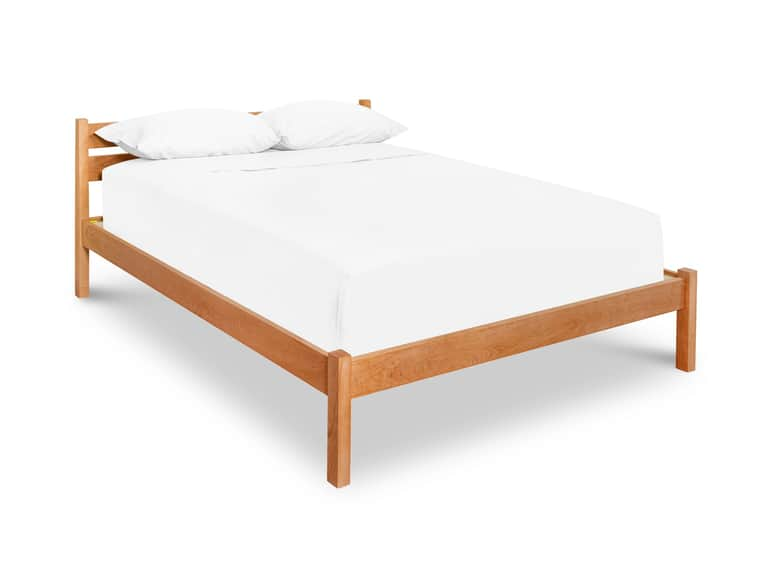
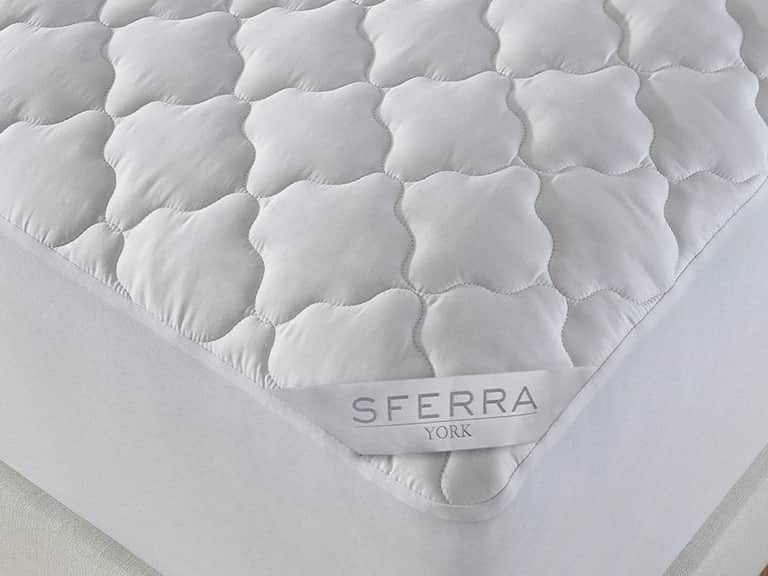
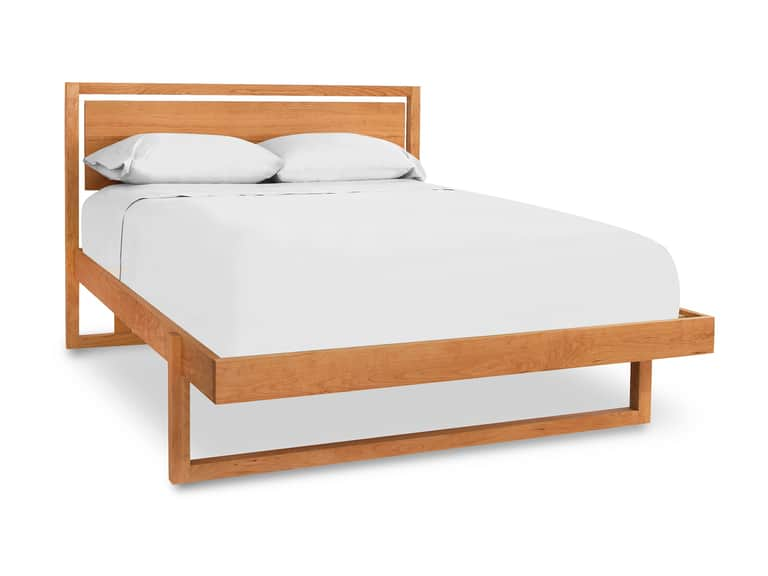
Imagine a curated sleep sanctuary built around three core elements: a VOCE of certified textiles, a foundational mattress with safety emissions verified, and a protective layer that keeps the surface pristine. We highlight two products from vetted sources to illustrate how certifications translate into a luxurious, health-forward sleep experience. Displayed below are two elevated options that align with GOTS, OEKO-TEX, and CertiPUR sensibilities, along with visual cues to guide your selection.
Vergennes Platform Bed — Vermont Furniture Designs
A solid-wood platform bed, handmade to order in Vermont, finished with a natural eco-friendly hand-rubbed oil that highlights the grain. Built to last for generations, this bed provides a refined, contemporary foundation for a sleep-scape that honors both craftsmanship and health-conscious materials.
- Material: Solid Cherry, Maple, or Walnut
- Finish: Eco-friendly hand-rubbed oil
- Origin: Vermont, USA
York Mattress Pad — 100% Cotton, 300TC
A premium cotton mattress pad that delivers elevated loft and balanced comfort. The 300-thread-count cotton sateen shell offers a breathable, luxurious sleep surface while maintaining a respect for textile standards that align with OEKO-TEX-like safety assurances.
Note: This pad showcases high-thread-count cotton that complements a cert-conscious sleep setup.
What to Ask Manufacturers About Certifications
A sophisticated shopper poses targeted questions to uncover the true value of certifications. Use this quick checklist during product research or conversations with brands. The goal is to move beyond logos and into the practical implications for your sleep health and daily comfort.
- Can you share the certificate number, issuing body, and scope (fiber content, materials, or full product)?
- Which components are certified (fabric, foam, coatings) and do all layers meet the standard?
- Are there any regional limitations (e.g., certifications valid only in the EU or US)?
- Do you have independent third-party test reports for the specific batch or production run?
- How do you ensure certification integrity across laundering, wear, and aging of materials?
Conclusion: The Quiet Luxury of Certifiably Safe Sleep
In a world where a great night’s sleep is a non-negotiable accessory, certification labels serve as a compass. They guide you toward textiles and foams that meet higher standards of safety, sustainability, and performance. The goal is simple: to craft a sleep experience that feels luxurious, yet is anchored in transparency and care. By embracing GOTS, OEKO-TEX, CertiPUR, and related standards, you empower your nightly routine with credibility, style, and peace of mind.
Target keywords in this piece include: mattress certifications, GOTS certification, OEKO-TEX, CertiPUR, sleep health, organic materials.