 Mattresses
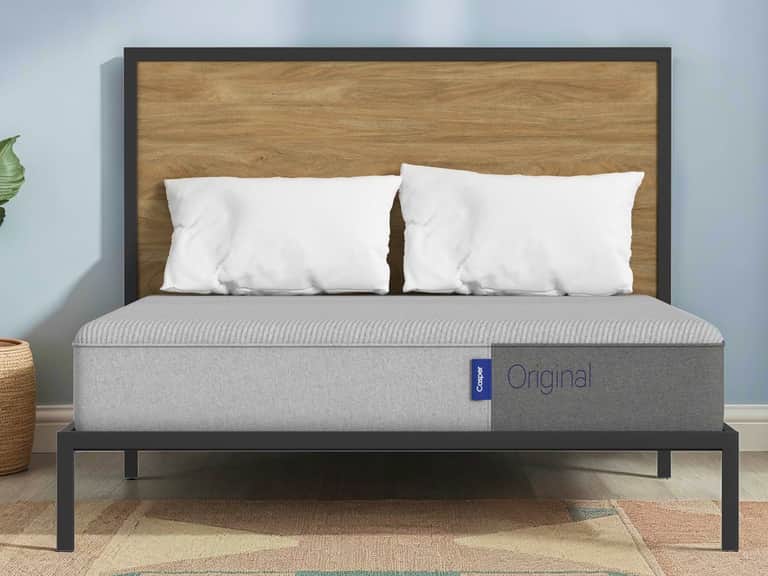
Original Mattress
Sleep cooler and more comfortable with Casper Signature Foam and memory foam that cradles your body, while the 3-zone Zoned Support keeps your spine aligned for steady, restful nights.
Foam mattresses are constructed from layered foam materials that provide a balance of support and pressure relief. This category emphasizes designs that conform to body contours while maintaining durability and motion isolation. Understanding foam density, firmness levels, and cooling properties helps users select a mattress that aligns with sleep position and temperature needs within the bedding ecosystem.
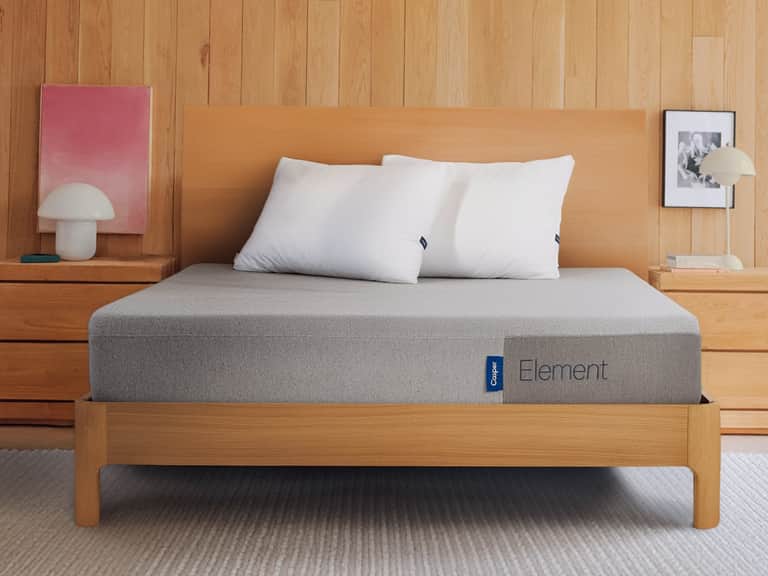
Original Mattress and Element Mattress exemplify common foam configurations, including polyurethane and memory foam blends. Key features to compare include support core type, transition layers, and edge support. Functional benefits often cited are reduced motion transfer, targeted lumbar support, and improved spinal alignment across various sleeping styles.
Memory foam versions offer contouring that responds to heat and weight, promoting even weight distribution and reduced pressure points. Open-cell foams enhance breathability, while gel-infused or plant-based foams aim to regulate temperature. These characteristics influence overall comfort, durability, and long-term satisfaction in bedding choices.
Consider how firmness ratings and density metrics relate to expected longevity and support. Higher-density foams typically provide greater durability and deeper pressure relief, whereas lower-density foams may offer softer initial feel with different wear patterns. Evaluating warranty terms and sleep trials can aid in understanding performance over time.
In the broader context of bedding, foam mattresses interact with pillows, sheets, duvet covers, and organic mattress considerations. Users should assess compatibility with bed frames, ventilation requirements, and allergy considerations. The included product details for the Original Mattress and Element Mattress highlight practical benefits such as ergonomic support, temperature regulation, and suitability for varied sleep positions.
Mattresses
 Mattresses