Natural latex mattresses offer resilient support and breathable comfort, leveraging latex’s open-cell structure to promote airflow and regulate temperature. The category highlights materials like Dunlop and Talalay latex, along with zoned support and customizable firmness. Understanding the differences helps align sleep surface choices with body weight, sleeping position, and sensitivity to pressure.
Key features often include responsiveness, durability, and hypoallergenic properties. Latex is naturally resistant to dust mites and mold, making it suitable for sleepers with allergies. In addition, many latex mattresses incorporate organic or natural materials, contributing to a lower environmental impact while maintaining structural integrity and long-term comfort.
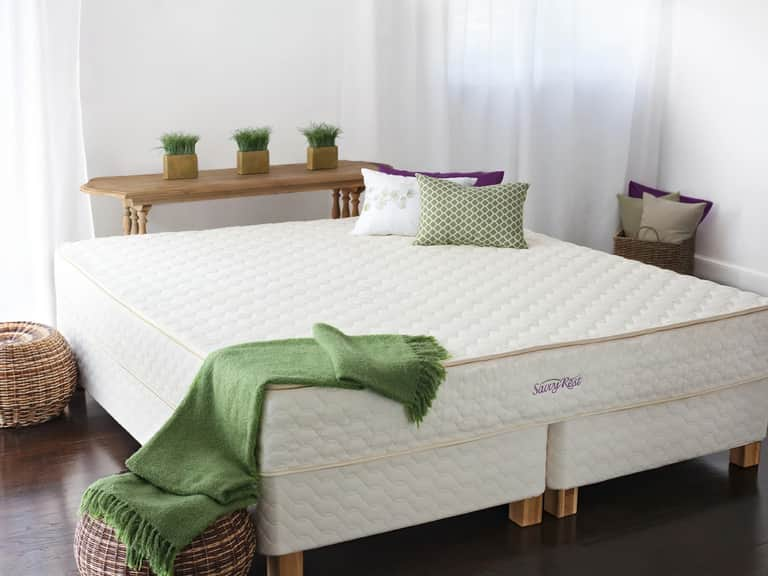
The Savvy Rest Serenity Latex Mattress exemplifies how latex layers can be tailored for individual needs, combining comfort layers and supportive cores for proper spinal alignment. Its modular design allows for variation in firmness across zones, enhancing support for hips and shoulders while reducing motion transfer for improved sleep continuity.
When evaluating suitability, consider components such as fabric covers, wool or cotton blends, and whether the latex is certified for low VOC emissions and eco-friendly production. Mattress construction may include organic wool or cotton covers, reinforcing breathability and moisture management for ideal thermoregulation throughout the night.
In the broader context of bedding, natural latex mattresses complement pillows, sheets, and duvet covers designed to promote restful sleep. Understanding product features—firmness options, durability, and allergen resistance—helps users choose a mattress that aligns with long-term comfort goals and healthy sleep practices.
 Mattresses